The A♯ sus2 Chord Explained
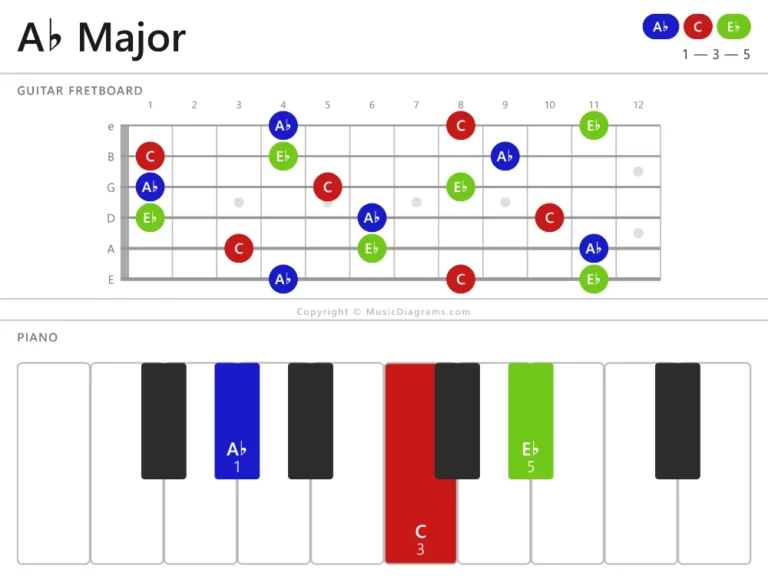
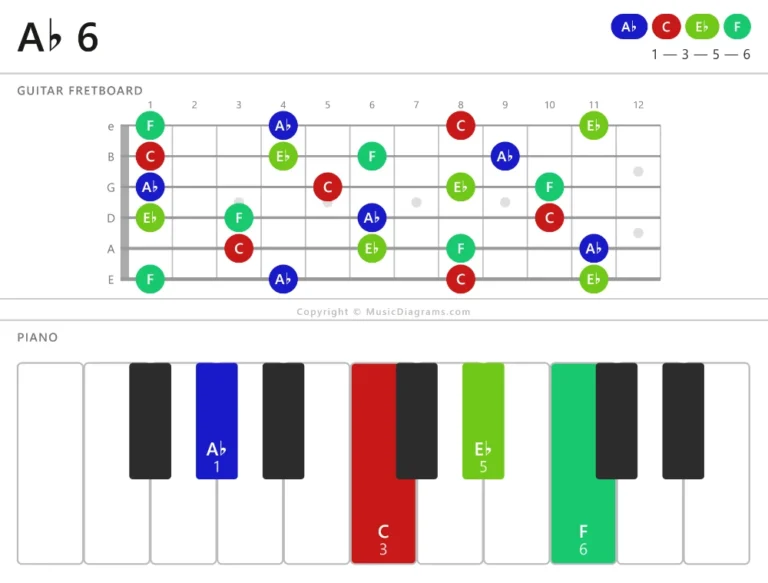
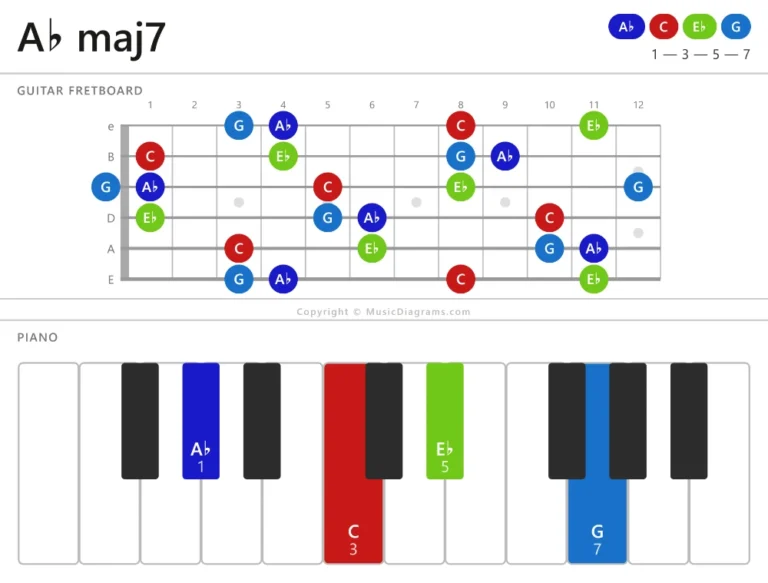
A-sharp suspended second is a Suspended chord built from the notes A♯, B♯, and E♯. Its root is A♯, and its interval number formula is 1–2–5, which gives you the interval names root, major second, and perfect fifth. Because it replaces the third with a second, this chord sounds open and unresolved compared with a major or minor chord. You may also see it written as A♯ sus2, A♯ suspended second, or A♯ add2(no3). If you look at the widget above, you can use the piano and guitar diagrams to visualize where these notes sit, and the tones help you hear the spacing clearly. If you are new to chord building, this guide to chord intervals can help make sense of the formula.
A♯ sus2 Alternate Names
- A♯sus2
- A♯ suspended second
- A♯ add2(no3)
A♯ sus2 Chord Notes
A♯ sus2 Chord Formula
A♯ sus2 Chord Notation
How To Use A♯ sus2 In Music
Often, A♯ sus2 has a bright, airy, and slightly waiting kind of sound, since it does not clearly feel major or minor. That suspended quality makes it useful when a song wants gentle tension without sounding harsh. For example, in the key of A♯ major, I–Vsus2–vi–IV could include A♯ major moving to F sus2, while in a more color-based progression you might hear A♯ sus2 move to A♯ major or A♯ minor so the suspended note resolves. Chords around it strongly affect its mood: next to warm major chords it can sound uplifting, but beside darker harmony it can feel more uncertain or reflective. If you want a simple comparison with more stable harmony, reading about what is a major chord can be helpful.
A♯ sus2 Chord Inversions
Another useful idea is inversion, which means keeping the same chord tones but changing which note is lowest. For A♯ sus2 in root position, A♯ is the lowest note; in first inversion, B♯ is the lowest; and in second inversion, E♯ is the lowest. These inversions can change the weight and flow of the chord without changing its basic identity. A root-position A♯ sus2 often feels the most settled, while inversions can sound lighter, softer, or more directional, especially when connecting smoothly to nearby chords. Players use inversions to create better bass lines, reduce big jumps between chords, and shape the mood of a progression with a more fluid sound.